
Get Paid for Pinterest by Turning Search Traffic Into Sales
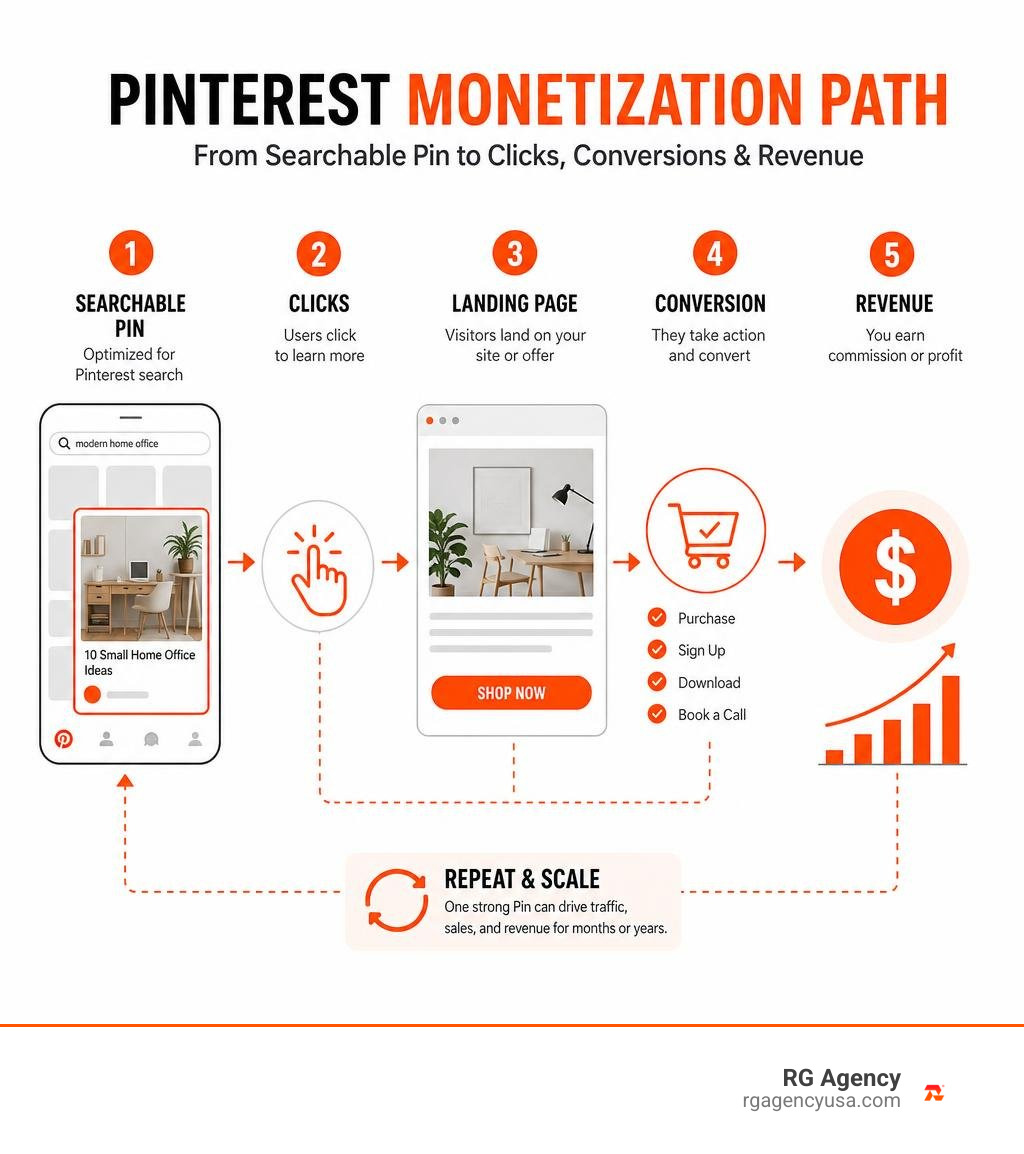
You do not get paid by Pinterest simply for views or followers. To get paid for Pinterest, use Pins to send high-intent visitors to something that earns revenue: affiliate offers, your Shopify or Etsy products, digital downloads, services, or sponsored brand campaigns.
Start with these four actions:
- Create or convert to a free Pinterest Business account.
- Pick one clear niche and use Pinterest search terms in your profile, board names, Pin titles, and descriptions.
- Make useful vertical Pins that link to a relevant product, landing page, or affiliate offer.
- Track outbound clicks, saves, conversions, and revenue – not just monthly views.
Pinterest works more like a visual search engine than a fast-moving social feed. A strong Pin can keep appearing in searches and driving visits for months or even years. That makes it especially useful for small businesses that need a more durable source of traffic, leads, and sales.
With hundreds of millions of monthly users searching for ideas, products, and solutions, Pinterest can support a focused marketing system. The goal is not to publish more random Pins. It is to connect each Pin to a measurable business outcome.
I am Roger Aguiar, Owner and CEO of RG Agency, where I help businesses use SEO, paid media, social channels, websites, and automation to create measurable growth. In this guide, I will show you how to get paid for Pinterest with a practical strategy built around traffic quality, conversion paths, and clear ROI.
Understanding the Platform: Does Pinterest Pay You Directly?
One of the most common myths among new creators is that Pinterest sends you a monthly check based purely on your impression count. It does not. Pinterest generates billions in ad revenue by helping users discover products, but it does not operate like YouTube’s AdSense pool where creators get a cut of platform ad impressions.
To turn visual discovery into sustainable cash flow, check out official creator resources like How to Grow Your Audience & Make Money on Pinterest to see how the ecosystem operates.
Pinterest functions as a visual search and discovery engine. Users log onto the platform with strong commercial intent: they want to plan a wedding, remodel a kitchen, find a new outfit, or discover an actionable budgeting guide. Research consistently shows that Pinterest users are 2 to 3 times more likely to purchase products they discover compared to users on traditional social networks.
Understanding the structural differences between Pinterest and traditional social media makes monetization much easier:
| Metric / Feature | Traditional Social Media (TikTok, Instagram, X) | Pinterest Visual Search Engine |
|---|---|---|
| Content Lifespan | 24 to 48 hours before disappearing from feeds | 6 months to 5+ years of active ranking |
| Primary Algorithm Driver | Viral engagement spikes, recency, comment velocity | Search keyword relevance, image matching, saves |
| User Intent | Passive entertainment and social interaction | Active discovery, curation, planning, and buying |
| Effective Monetization Mechanism | Platform creator funds, direct ad splits | Affiliate commissions, digital sales, lead generation |
| Average Traffic Shelf Life | Short burst (1-3 days) | Long-tail compounding asset |
When you treat Pinterest as an image-driven search engine rather than a broadcast feed, your entire strategy changes. You stop chasing ephemeral trends and start building digital assets that capture search intent month after month.
Business vs. Personal Accounts and Creator Programs
If you want to monetize your account, a personal profile will hold you back. Converting to a free Pinterest Business profile via Pinterest Business: Marketing on Pinterest is essential. A Business account grants access to:
- Pinterest Analytics: Track impressions, saves, outbound pin clicks, and audience demographic shifts.
- Rich Pins: Automatically sync metadata (such as pricing, availability, and article titles) from your website to your Pins.
- The Creator Hub: Access monetization tools, specialized analytics, and trend insights directly from your mobile device or desktop.
- Product Tagging & Paid Partnership Tools: Directly tag commercial goods and disclose brand sponsorships within the native interface.
While direct platform payouts are rare, Pinterest occasionally rolls out incentive programs. The Creator Rewards Program was designed to reward original Idea Pins based on specific monthly engagement goals, though access remains invite-only and region-dependent.
Additionally, initiatives like the Creator Inclusion Fund provide direct grants, education, and ad credits to elevate creators from underrepresented communities. For the vast majority of marketers, your reliable, scalable revenue will come from external monetization channels rather than direct creator funds.
Pinterest SEO and Audience Growth with Low Followers
On TikTok or Instagram, low follower counts can bottleneck your distribution. Pinterest is different. Because it indexes content based on keyword relevance and visual similarities, Pins from brand-new accounts can instantly show up in search results and relevant home feeds.
To learn more about optimizing your presence across search algorithms, read our guide on how to be found on social media.
To dominate Pinterest SEO from day one:
- Standardize on a 2:3 Aspect Ratio: Use 1000 x 1500 pixel images. Vertical graphics maximize screen real estate on mobile devices.
- Optimize Pin Titles: Place primary search terms in the first 30 characters of your Pin title.
- Write Keyword-Rich Descriptions: Avoid keyword stuffing. Write 2–3 natural sentences incorporating primary and secondary long-tail keywords.
- Organize Boards by Intent: Ensure your board titles reflect actual search queries (e.g., “Modern Farmhouse Kitchen Decor” instead of “My Dream House”).
- Drive Outbound Clicks: Include clear visual calls-to-action (CTAs) on your pin graphics, such as “Download the Free Checklist” or “Shop the Look.”
Proven Monetization Methods to Get Paid for Pinterest Traffic
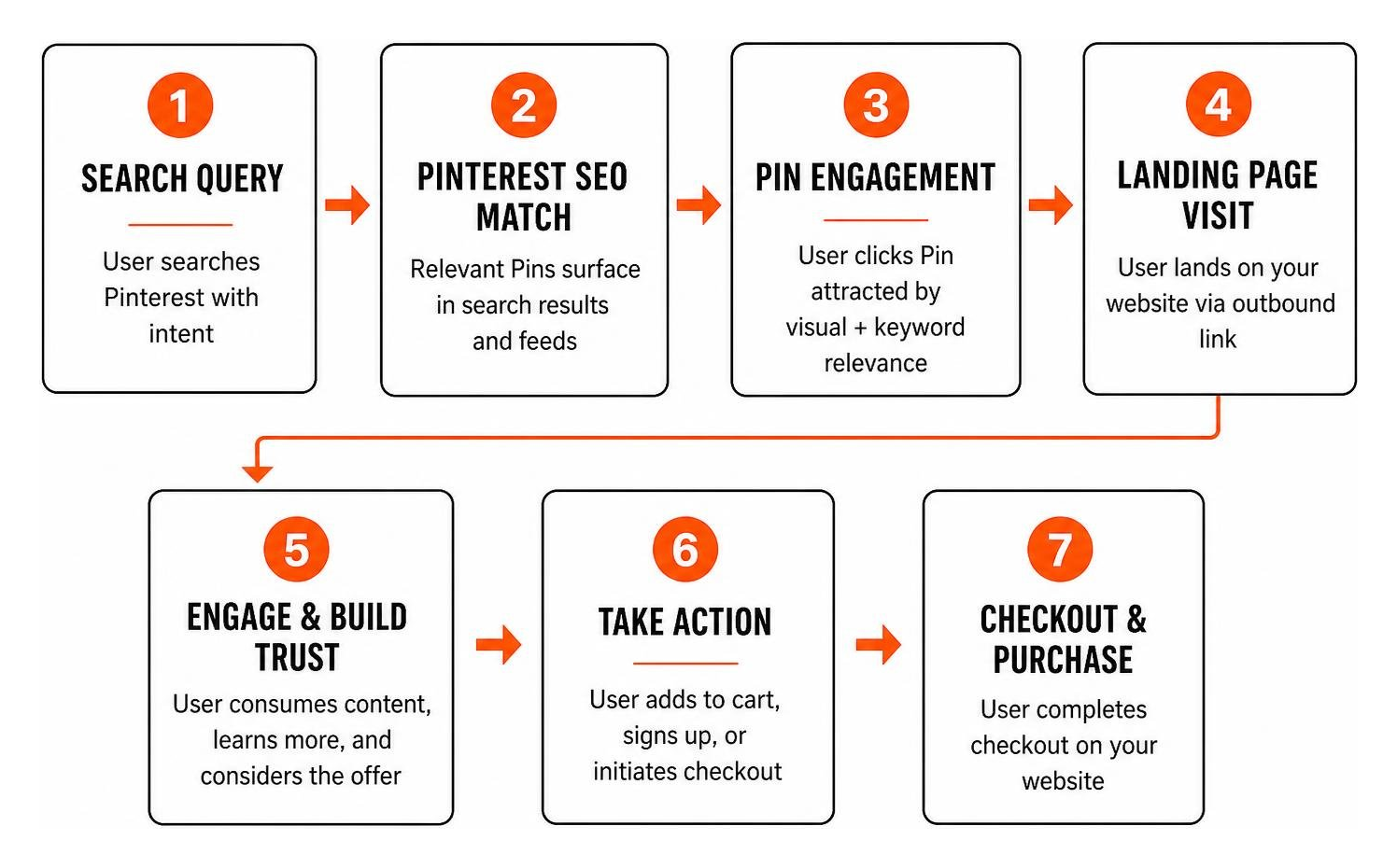
Monetizing Pinterest traffic requires building clean, frictionless conversion funnels. Since Pinterest serves as the discovery layer, your monetization happens by connecting qualified searchers to the right digital marketing channels and landing pages.

How Creators Get Paid for Pinterest Affiliate Marketing
Affiliate marketing remains one of the fastest ways to generate revenue on Pinterest. You recommend products from brands or affiliate networks (such as Amazon Associates, ShareASale, LTK, or CJ Affiliate) and collect a commission whenever someone completes a purchase using your link.
Pinterest allows two distinct affiliate pathways:
- Direct Affiliate Pinning: Adding your unique affiliate tracking link directly into the destination URL field of the Pin, often utilizing Pinterest’s native product tagging tool.
- Bridge Page / Blog Funnel: Pinning graphics that drive traffic to a high-converting blog post, review, or comparison page hosted on your website, where multiple contextual affiliate links live.
Effective revenue per thousand impressions (RPM) for affiliate traffic on Pinterest typically ranges between $5 to $50, substantially higher than standard social media ad splits. In high-intent categories like home decor, fitness, and lifestyle, creators consistently produce anywhere from $2,000 to $20,000+ monthly purely through affiliate commissions.
Compliance Note: Always adhere to Federal Trade Commission (FTC) guidelines and Pinterest terms. Clearly disclose affiliate relationships by including #affiliate, #ad, or using the native Paid Partnership tool.
Driving Traffic to E-Commerce Stores and Digital Products
For product creators and online retailers, Pinterest serves as an evergreen lead-generation machine. If you sell on Shopify, WooCommerce, or Etsy, setting up Rich Pins allows real-time pricing and stock information to display on your Pins automatically.
Digital products represent the highest-margin monetization model available on the platform:
- Printables and Worksheets: Meal planners, chore charts, budgeting worksheets, and workout logs.
- Canva Templates: Social media kits, resume designs, and business branding packages.
- Digital Guides & Ebooks: Specialized educational resources addressing specific pain points.
Because digital assets require zero inventory, pairing low-cost organic Pin traffic with a clean digital sales page creates high profit margins. A creator can design a $19 digital workbook, create 10 different Pin designs targeting relevant keywords, and drive passive sales for years without manual fulfillment. To learn how foundational search indexing fuels this traffic engine, explore the power of SEO boosting your online presence.
Landing Sponsored Pins and Brand Partnerships
As your boards gain visibility, brands will pay you to showcase their products in front of your engaged audience. Unlike other platforms where sponsorships demand huge follower counts, Pinterest brands look heavily at monthly unique viewers and board saves.
To attract brand collaborations:
- Build a Media Kit: Highlight your monthly impressions, audience demographics, average outbound click-through rates, and primary niche topics.
- Use the Native Paid Partnership Tool: When creating a Pin under Advanced Settings, search for and tag the brand partner. This grants the brand permission to boost your Pin as an Idea ad, expanding reach.
- Structure Your Packages: Offer bundled deliverables, such as 3 custom Pins, 1 video Idea Pin, and an inclusion in an associated email newsletter or blog article.
Sponsored Pin rates typically scale from $200 for micro-creators up to several thousand dollars per Pin package for established creators commanding tens of thousands of monthly clicks.
High-Earning Niches and Scaling Without Showing Your Face
You do not need to be an on-camera influencer to build a lucrative income stream. Pinterest is inherently visual and topic-driven, making it the premier platform for faceless digital business models.
Top revenue-generating niches on Pinterest include:
- Home Decor & DIY: Furniture roundups, room styling guides, and renovation checklists.
- Personal Finance: Debt payoff trackers, budgeting sheets, and side-hustle guides.
- Fashion & Beauty: Capsule wardrobe guides, skincare routines, and outfit moodboards.
- Weddings & Event Planning: Bridal styling, wedding checklists, and party DIYs.
- Food & Meal Prep: Easy weeknight dinners, high-protein meal plans, and baking recipes.
By focusing entirely on product utility, aesthetics, and high-value educational content, you can scale automated visual assets without ever appearing on video or building a personal lifestyle brand.
Work as a Pinterest Virtual Assistant to Get Paid for Pinterest Management
If you understand how to design click-worthy graphics, conduct keyword research, and schedule Pins, you can monetize your skills immediately by working as a Pinterest Virtual Assistant (VA).
Small business owners, e-commerce brands, and busy bloggers frequently lack the time to maintain their Pinterest accounts. A skilled Pinterest VA handles:
- Designing monthly batches of Pin graphics using Canva.
- Optimizing board structures and updating SEO keywords.
- Managing automated scheduling queues via Tailwind.
- Conducting full account audits to repair broken destination links.
Pinterest VAs earn between $15 and $50+ per hour, or package their services into monthly retainers ranging from $500 to $1,500 per client. Data indicates that an experienced Pinterest manager saves a business roughly 15 hours per month while boosting monthly unique viewers by an average of 340% within 90 days. For those interested in expanding into comprehensive client account management, review our social media manager guide.
Essential Tools for Pin Automation and Visual Design
To run your Pinterest operation efficiently, leverage tools that streamline visual design, copy generation, and scheduling:
- Canva: The go-to tool for rapid vertical Pin design. Set up reusable brand templates, bold font pairings, and eye-catching color palettes.
- Tailwind: A Pinterest-approved scheduling platform featuring SmartLoop capabilities and Tailwind Communities, helping you maintain a consistent 24/7 queue of fresh Pins.
- Pinterest Trends Tool: Pinterest’s native trends platform reveals seasonal search spikes 60 to 90 days before they peak, letting you publish content before the competition.
- Generative AI Tools: Use tools like ChatGPT to brainstorm keyword-rich Pin descriptions, compelling title hooks, and digital product outlines.
Realistic Timelines, Revenue Projections, and Common Pitfalls
Pinterest rewards patience and consistency. Because Pins must be indexed and tested across user search feeds, earnings compound gradually over time.
A realistic earnings roadmap looks like this:
- Days 1–30 (Foundation & Indexing): Account setup, SEO optimization, initial Pin batching. Traffic will be modest; monthly revenue is generally $0–$50.
- Days 31–90 (Initial Traction): Early Pins begin ranking in targeted search results. First affiliate clicks and product sales convert ($100–$500/month).
- Months 4–6 (Momentum Phase): Compounding traffic kicks in as older Pins continue picking up saves. Monthly income typically hits $500–$2,000.
- Months 6–12+ (Scale & Compounding): Viral spikes and evergreen top-ranking Pins deliver daily passive traffic, allowing monthly earnings to scale from $2,000 to $10,000+.
Common Mistakes That Kill Pinterest Monetization
Avoid these common traps that stall account growth:
- Inconsistent Posting Schedules: Posting 50 Pins in one afternoon and going silent for three weeks disrupts algorithmic distribution. Consistency is essential.
- Ignoring Keyword Optimization: Designing beautiful Pins without optimizing your titles, descriptions, and board titles for search intent keeps your content invisible.
- Failing to Update Destination Links: Broken URLs or links leading to non-mobile-optimized websites ruin conversion rates.
- Publishing Off-Season Content Too Late: Holiday and seasonal searches begin 2–3 months in advance on Pinterest. If you publish Halloween Pins in mid-October, you have already missed the traffic wave.
Frequently Asked Questions about Making Money on Pinterest
Do I need thousands of followers to make money on Pinterest?
No. Unlike Instagram or TikTok, your follower count has minimal impact on whether your Pins appear in search results or user home feeds. Pinterest prioritizes keyword relevance, visual freshness, and user engagement (saves and clicks) over account size. Creators with fewer than 100 followers routinely drive hundreds of thousands of monthly outbound visits.
How much money can a beginner make on Pinterest in their first 90 days?
A focused beginner who consistently publishes 5 to 15 optimized Pins per day can realistically expect to earn between $50 and $500 per month within their first 90 days through affiliate marketing or digital downloads. Once evergreen Pins begin indexing and compounding after month 3, revenue typically scales into the thousands.
Can you earn passive income on Pinterest without a website or blog?
Yes. You can earn direct affiliate commissions by adding trackable links to your Pins and using native product tags. Additionally, you can direct Pin traffic straight to hosted third-party platforms such as Etsy, Gumroad, Stan Store, or an Amazon storefront, bypassing the need for a self-hosted website.
Conclusion
Getting paid for your Pinterest marketing is not about going viral overnight. It is about building a durable, searchable traffic engine that converts high-intent discovery into steady revenue. By creating high-quality vertical assets, mastering search indexing, and connecting your Pins to affiliate offers, digital downloads, or client services, you transform Pinterest into a reliable growth channel.
At RG Agency, our team develops multi-channel growth systems that integrate data-driven SEO, paid media, and social funnels to drive predictable ROI. To discover how our team can help you dominate search engines and scale your online revenue, connect with us for custom digital growth strategies.