Best Practices for SMS Marketing That Prevent Spam and Drive Action
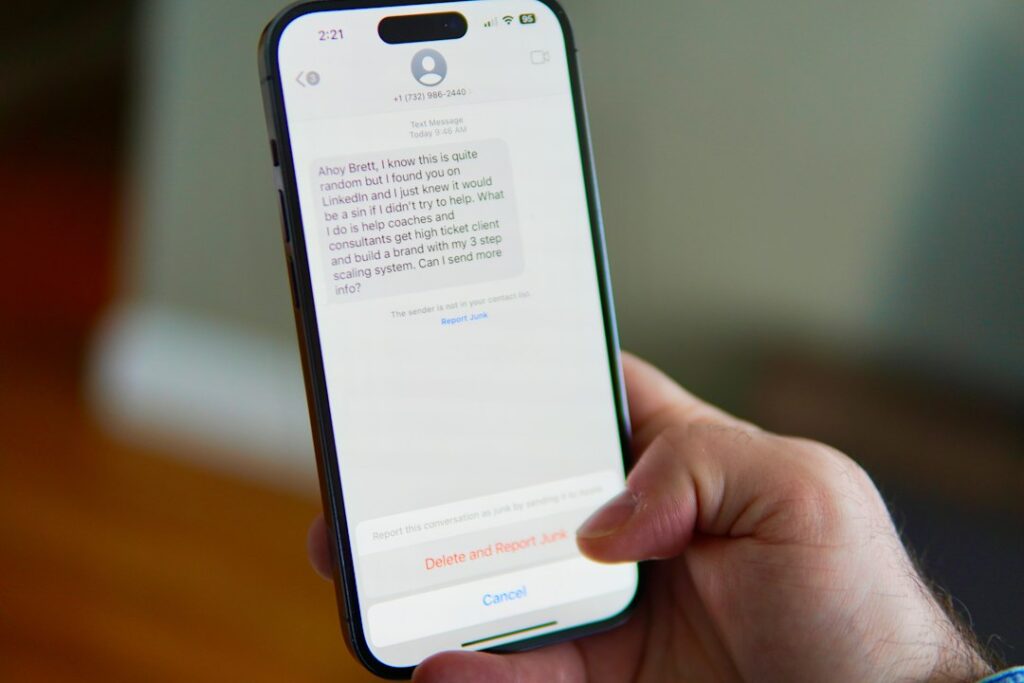
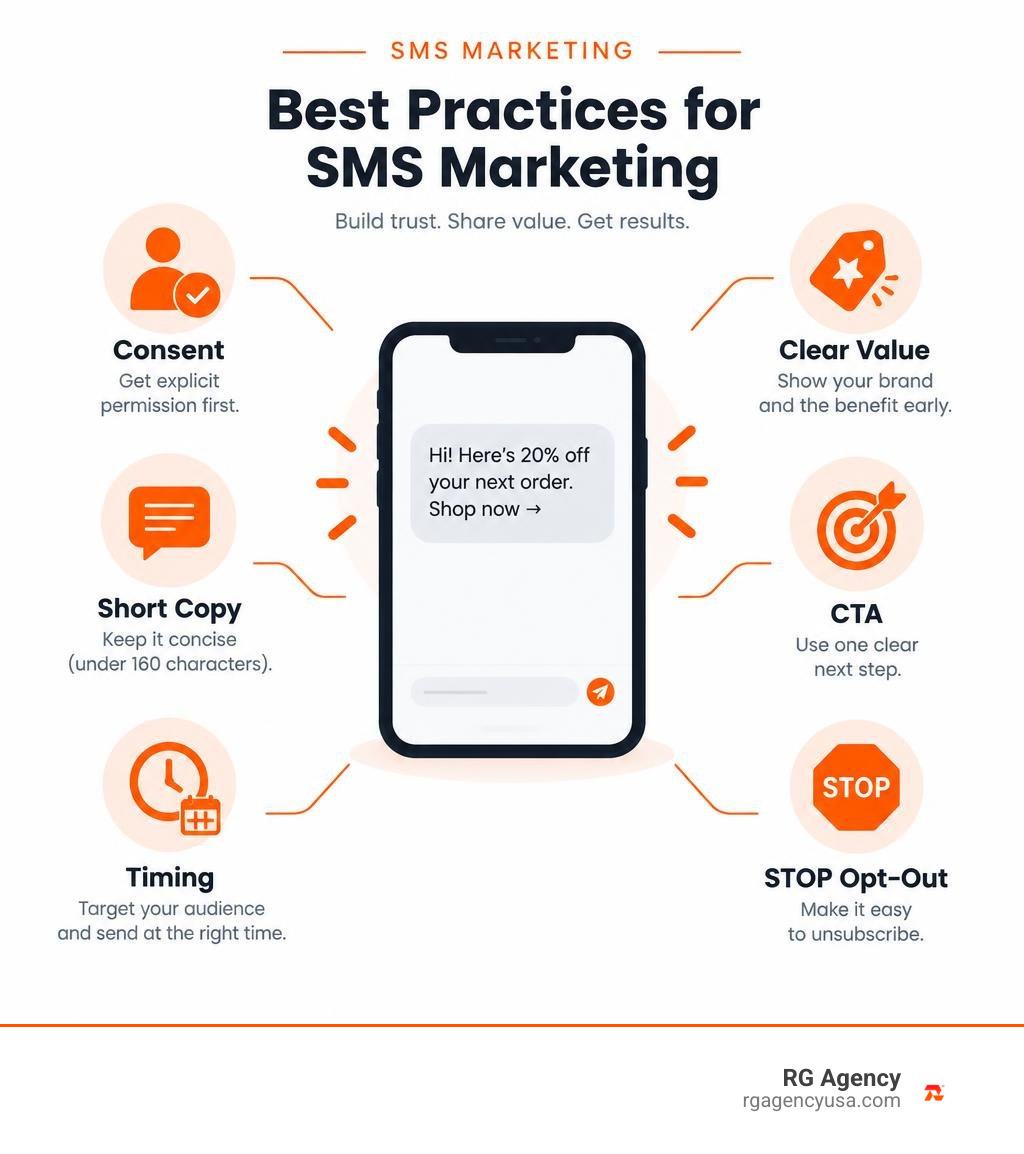
The best practices for SMS marketing are simple: get clear permission, identify your business, send useful messages at sensible times, keep each text short, use one clear call to action, and make opting out easy.
A strong marketing text should include:
- Explicit opt-in consent before you send anything.
- Your brand name and a clear benefit near the start.
- One relevant offer or next step, not several competing links.
- A concise message, ideally under 160 characters.
- “Reply STOP to unsubscribe” or another clear opt-out method.
- Audience targeting and local-time scheduling to avoid irrelevant or poorly timed texts.
SMS gets attention fast: messages have an average 98% open rate, and 90% of recipients read them within three minutes. But that attention is earned, not guaranteed. Generic blasts, unclear links, missing consent records, and too many promotions can trigger carrier filtering, opt-outs, and lost trust.
Done well, SMS is not a louder email inbox. It is a timely, permission-based channel for alerts, reminders, exclusive access, and helpful follow-ups that move customers toward one easy action.
I am Roger Aguiar, Owner and CEO of RG Agency, where I lead data-driven SEO, paid media, automation, and omnichannel marketing programs for growing businesses. In this guide to the best practices for SMS marketing, I will show how to turn text messaging into a measurable source of leads and sales without creating a spam problem.
Best practices for sms marketing terms made easy:
Essential Compliance and Deliverability Rules to Avoid Spam Filters
SMS marketing delivers an impressive $71 return for every $1 spent, but navigating carrier guidelines and legal frameworks is critical to staying out of spam filters. Because mobile carriers filter suspicious traffic before it reaches subscribers, following established compliance frameworks is the only way to safeguard your deliverability.
Key compliance mandates include the Telephone Consumer Protection Act (TCPA) in the United States, Cellular Telecommunications Industry Association (CTIA) guidelines, and international frameworks like GDPR and CASL. Complying with these standards requires honoring quiet hours (restricting promotional texts before 8:00 AM and after 9:00 PM in the recipient’s local time) and offering straightforward opt-out keywords like STOP, CANCEL, or UNSUBSCRIBE.
| Regulation / Standard | Primary Geography | Core Requirement | Opt-In Standard | Financial Penalty Risk |
|---|---|---|---|---|
| TCPA & CTIA Guidelines | United States | Quiet hours (8 AM–9 PM local), automated STOP processing, clear disclosures | Express written consent | $500–$1,500 per unauthorized text |
| GDPR | European Union / UK | Data privacy rights, lawful basis for processing, explicit consent | Freely given, specific, double opt-in | Up to €10M or 2% of annual global turnover |
| CASL | Canada | Clear business identification, immediate unsubscribes, sender address | Express or verifiable implied consent | Up to $10M CAD per violation |
Understanding Legal Mandates and Explicit Opt-In Consent
You cannot upload a list of purchased contacts or phone numbers scraped from web forms and start texting. TCPA compliance mandates obtaining express written consent directly from the consumer. This requires displaying clear language that confirms they are opting in to receive recurring promotional messages via automated technology, noting that consent is not a condition of purchase, and stating that message and data rates may apply.
Modern list building relies on friction-free, high-converting touchpoints. Many brands use interactive lead capture methods such as conversational quizzes or two-tap mobile signup units to collect verified phone numbers seamlessly. Furthermore, consulting industry guidance on compliant program building helps ensure every lead record stores a verifiable, timestamped opt-in source alongside the subscriber’s IP address.
Technical Carrier Standards: A2P 10DLC and Sender Reputation
Wireless carriers route application-to-person (A2P) messaging over 10-digit long codes (10DLC), toll-free numbers, or dedicated short codes. In the United States, completing A2P 10DLC brand and campaign registration through a Campaign Service Provider is required. Unregistered business numbers face heavy carrier filtering, low message throughput, and outright delivery blocks.
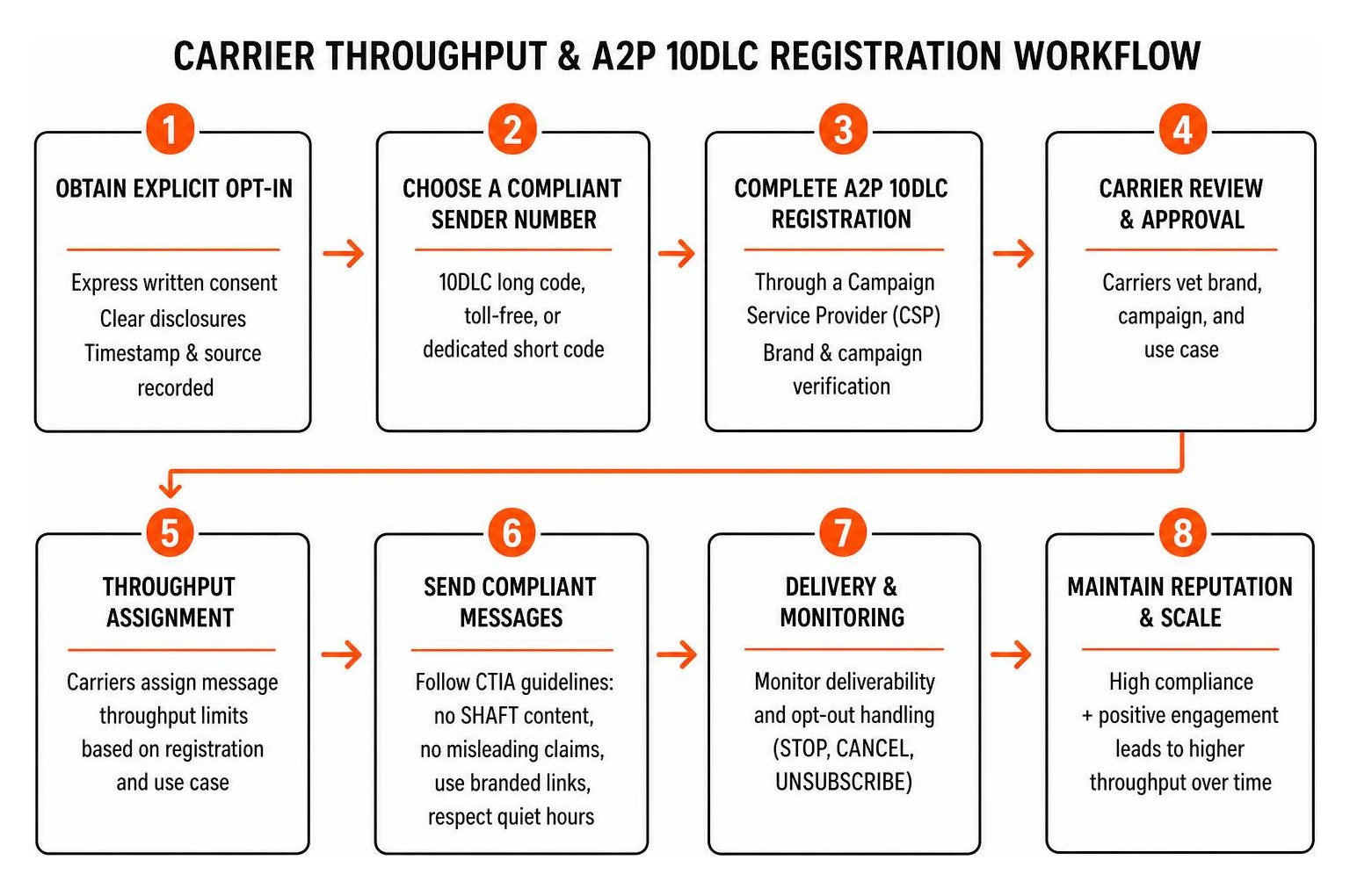
Carrier algorithms actively filter content that violates CTIA policies. This includes strict bans on SHAFT content (Sex, Hate, Alcohol, Firearms, and Tobacco/CBD) unless verified through strict age-gating mechanisms. Deliverability also suffers when brands use generic public URL shorteners (like bit.ly), all-caps copy, excessive special characters, or misleading claims. Using custom, branded short domains builds trust with carriers and subscribers alike.
Core Best Practices for SMS Marketing That Maximize Conversion
Around 81.2% of consumers are subscribed to at least one brand’s text messaging program, and 63% have made a purchase directly from an SMS. Converting this captive audience requires message relevance, smart formatting, and respect for subscriber attention.

Copywriting Best Practices for SMS Marketing: Brevity, CTAs, and Formatting
Standard SMS messages use GSM-7 encoding, giving you up to 160 characters per message segment. Adding a single non-GSM character—such as an emoji or special punctuation mark—switches the encoding to UCS-2, reducing the character limit per segment to 70. Exceeding character thresholds causes messages to split across multiple segments, which increases costs and clutters the recipient’s thread.
To craft high-performing copy, stick to concise, action-driven language:
- Lead with immediate value: Put the main benefit, discount, or critical alert in the first five words.
- Identify your brand early: Always include your store name or sender identifier right away.
- Use a single, specific call to action: Focus on one clear destination, such as
Claim Your 20% Off: [link]. - Incorporate high-converting triggers: Words like Reserved, Early Access, Unlocked, VIP, and Expiring drive decisive clicks without feeling like clickbait.
- Reserve MMS for visual storytelling: Use multimedia messages (MMS) with images or GIFs for lookbooks and seasonal announcements, but rely on clean SMS for fast, transactional updates.
Implementing proven enterprise messaging strategies keeps your messaging focused, professional, and clear.
Timing, Cadence, and Segmentation Best Practices for SMS Marketing
Timing significantly affects customer responsiveness. Industry data shows that promotional text messages sent between 10:00 AM and 12:00 PM local time yield the fastest response times, with median reply speeds under 65 minutes.
Aim for a cadence of 4 to 6 promotional messages per month. Sending more than two promotional broadcasts a week often increases opt-out rates, whereas automated transactional and triggered messages can send freely based on real-time user behavior.
Effective segmentation transforms blanket promotions into targeted customer touchpoints:
- VIP and High-LTV Buyers: Offer exclusive early access to product drops and special rewards. Explore tailored setups in our loyalty program playbook.
- Category Affinity: Segment contacts by specific product collections based on past orders or browse history.
- Engagement Cadence: Group users by their 30-, 60-, or 90-day interaction history, suppressing unengaged profiles to protect list hygiene.
- Recent Purchasers: Exclude recent buyers from generic discount broadcasts to avoid frustrating customers who just paid full price.
Automated SMS Sequences That Drive 30x More Revenue
While broadcast texts are great for seasonal promotions, automated SMS flows generate up to 30 times more revenue per recipient. Automated triggers deliver timely messages when intent is highest, turning inbound traffic into high-quality leads and repeat buyers.
High-Converting E-Commerce and Lead Nurture Flows
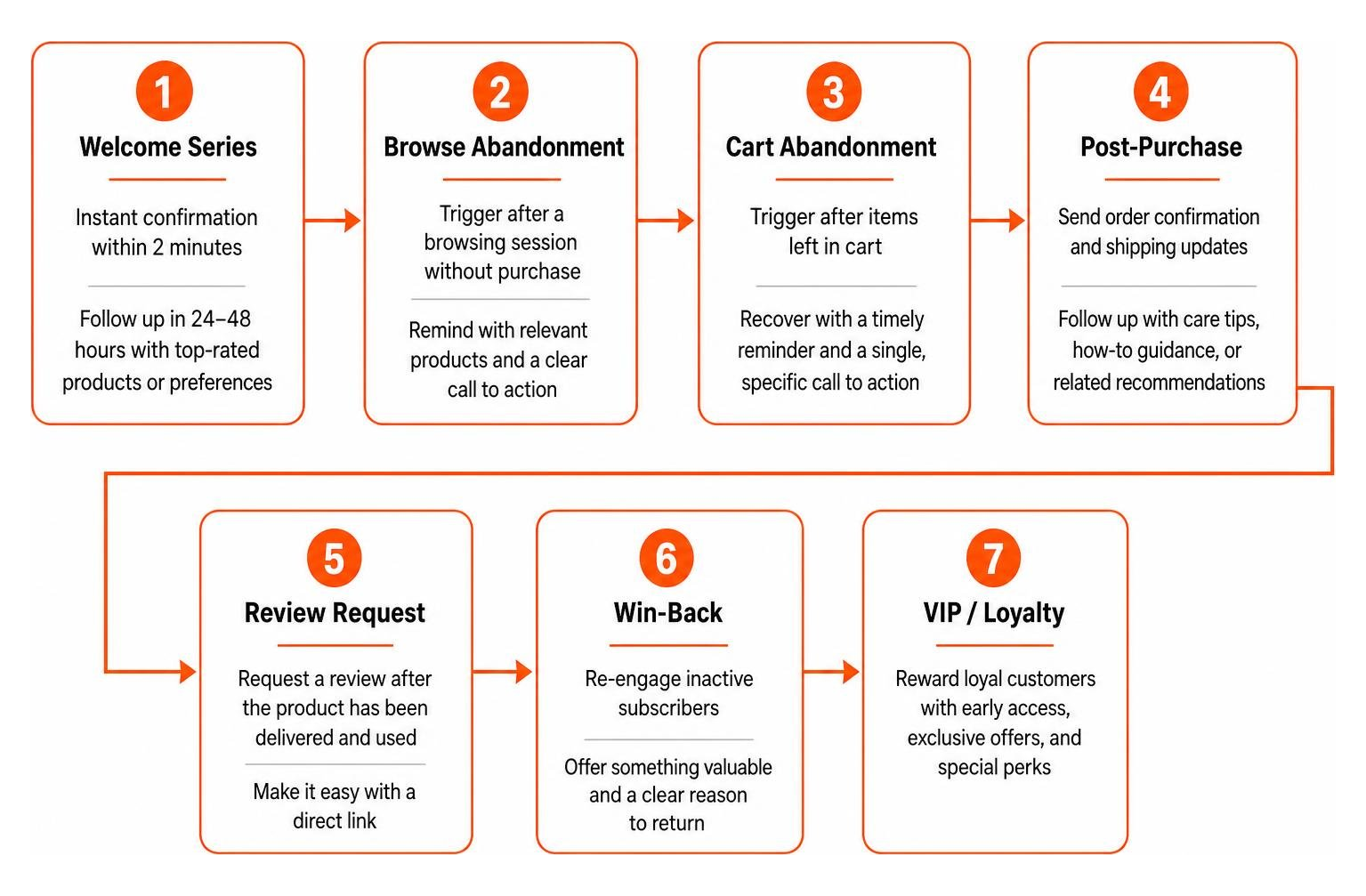
Automated flows run continuously in the background, converting subscribers at each phase of the customer lifecycle:
- Welcome Series: Send an instant confirmation within two minutes of sign-up delivering the promised incentive. Follow up 24 to 48 hours later highlighting top-rated products or gathering preference data.
- Abandoned Cart Recovery: Trigger an SMS within 30 to 60 minutes of cart abandonment containing a direct checkout link. This single flow often averages a 10% to 15% recovery rate.
- Browse Abandonment: Engage high-intent visitors who viewed a specific product category multiple times without adding items to their cart.
- Post-Purchase and Replenishment: Provide delivery tracking, followed by cross-sell suggestions or replenishment reminders timed to estimated product run-out dates.
- Winback Sequences: Re-engage inactive customers after 60 to 90 days of silence with a curated offer before removing unengaged numbers.
Platform-specific guides can help you streamline setup across popular content management systems:
- Review our tutorial on integrating SMS on WordPress.
- Learn about direct texting for Squarespace stores.
- Explore our setup guide on text marketing for Wix stores.
Integrating SMS with Email Sequences and Omnichannel Journeys
SMS and email work best as a coordinated pair rather than isolated channels. Email handles long-form storytelling, rich visuals, and educational content, while SMS delivers time-sensitive alerts and concise action prompts.
Cross-channel logic prevents subscriber fatigue. For example, you can send an email campaign announcing a new promotion at 9:00 AM, then trigger an SMS alert at 5:00 PM only to subscribers who did not open or click the email. Synchronizing your channels is easy when you follow best practices for streamlining automated email sequences.
Key Metrics and Testing Strategies to Scale SMS ROI
With fewer than 5% of subscribers opting out of SMS programs annually (compared to 20%+ for email), keeping an eye on your numbers helps preserve your list while growing revenue.

Tracking Performance Beyond Vanity Metrics
High open rates (98%) are standard for text messaging, making click-through and downstream revenue metrics much better indicators of campaign success.
- Click-Through Rate (CTR): Aim for 20% to 35% on standard promotional campaigns with trackable short links.
- Conversion Rate (CVR): Track the percentage of clicked links that complete a target purchase or lead form.
- Revenue Per Recipient (RPR): Measure the net dollar return generated per individual message sent. Automated flows typically average $0.70+ per send, compared to $0.15–$0.30 for standard broadcasts.
- Opt-Out Rate Per Campaign: Keep unsubscribes under 1% per send. A sudden spike indicates messaging fatigue, poor segmentation, or confusing copy.
- Carrier Bounce Rate: Monitor undelivered messages to spot unassigned numbers and clean your subscriber lists regularly.
A/B Testing and AI-Powered Optimization
Optimize performance through structured A/B testing on single variables:
- Offer Framing: Test percentage-off discounts against direct dollar amounts (e.g., “$15 Off” vs. “20% Off”).
- Message Format: Compare concise SMS plain text against image-led MMS.
- Send Windows: Test mid-morning delivery (10:00 AM) against early evening (6:00 PM).
- CTA Language: Test urgency-focused copy against direct benefit statements.
Using AI-powered marketing automation workflows allows you to dynamically adjust send times for individual subscribers and power conversational two-way text routing.
Frequently Asked Questions About SMS Marketing
What is the ideal sending frequency for marketing text messages?
For general marketing broadcasts, 4 to 6 messages per month (about 1 to 2 texts per week) is the ideal cadence for most brands. Triggered automated flows—such as order confirmations, shipping updates, and abandoned cart sequences—send based on real-time customer behavior and do not count toward this broadcast limit. If your per-campaign opt-out rate climbs above 1%, reduce your frequency and refine your audience targeting.
What is the difference between SMS and MMS, and when should each be used?
SMS (Short Message Service) is text-only, supporting up to 160 GSM characters per segment, making it the most cost-effective format for quick alerts, links, and reminders. MMS (Multimedia Messaging Service) supports rich media like images, animated GIFs, or short video files, along with up to 1,600 characters of text. Use MMS for visual product announcements and major seasonal promotions, and rely on standard SMS for fast notifications and conversational replies.
How do you collect compliant phone numbers without lowering form conversion?
Collect phone numbers compliantly by using two-step mobile popups, offering opt-in checkboxes during checkout, and placing QR codes on packaging or in-store displays. Clearly state that subscribing unlocks a specific incentive (such as early access or an exclusive discount), provide the required TCPA disclosures directly beneath the input field, and ensure the opt-in checkbox remains unchecked by default.
Conclusion
Text messaging remains one of the highest-converting marketing channels available, combining 98% open rates with immediate, personal customer engagement. By securing explicit opt-in consent, maintaining full A2P 10DLC compliance, segmenting your subscribers, and pairing broadcasts with automated customer journeys, your brand can scale its revenue while avoiding carrier spam filters.
At RG Agency, our teams in Austin, Houston, San Antonio, Georgetown, and Dallas develop omnichannel, data-driven automation frameworks that connect paid media, search strategy, and direct messaging to maximize ROI. Contact our team today to explore our professional SMS marketing management services and build a high-converting messaging program for your brand.